

Between 2001 and 2019, suicide in state prisons increased by 85 percent, rising higher than the 13 percent increase in local jails. During that time, however, local jails had suicide rates up to 10 times higher than those in prisons. A carceral facility’s dynamics as a contributor to suicide are also suggested by other findings, such as when suicides take place. Most suicides in jails occur within the first week of custody, whereas in prisons they typically occur after the first year of custody.
The study of suicide and its prevention in correctional facilities is further complicated by personal characteristics. Approximately 15 percent of individuals who died by suicide had spent time in a mental health unit or facility. Between 4 and 10 percent of individuals who died by suicide were serving time for drug-related offenses. Efforts to provide treatment and support for mental health conditions and substance use disorders in correctional facilities are often hampered by factors such as inadequate staffing, policies, expense, stigma, and safety concerns.
“There are many points during custody that can contribute to feelings of hopelessness, which makes ongoing assessment and referral to services critical,” says Robert Green, executive director of the American Correctional Association (ACA). “However, every case is unique and often complex, so no single road map keeps everyone safe.”
ACA and Suicide Prevention
In 1981, the ACA developed a now widely recognized suicide prevention standard. This standard calls for written policies and procedures, credentialed mental health providers, and extensive staff training paved the way for suicide prevention programs in correctional settings across the country.
A More Comprehensive Approach
A checklist may serve as a first step in suicide prevention by identifying core components. Are staff trained to detect warning signs? Are policies and procedures established for referral, intervention, and follow-up? Is the facility’s physical layout conducive to suicide prevention? A more holistic approach, however, goes beyond ticking these boxes.
“When a negative outcome occurs,” Dean Aufderheide, director of ACA’s Mental Health Services explains, “the ‘knee-jerk’ reaction is to add another item to the checklist of risk factors, such as psychological distress, history of illicit drug use, single-cell accommodation, disciplinary actions, etc. Using a checklist approach to suicide prevention fails to consider the underlying variables. It’s like counting the trees but not understanding the forest.”
“Most correctional facilities have suicide prevention protocols in place,” continues Aufderheide, “but a truly comprehensive program considers staff knowledge, skill, and ability in relation to carrying out policies; attitudes about suicide; communication and collaboration throughout the facility; and, first and foremost, trust. Do operations and treatment staff respect the need for each other’s jobs as well as their ability to carry out their responsibilities? Does administration trust frontline staff in their knowledge, skills, and abilities for suicide prevention and vice versa?”
Correctional Root Cause Analysis
ACA’s Correctional Root Cause Analysis (CRCA) can help jails and prisons assess underlying and systemic factors impacting suicide risk. The power of this tool comes from its team-based approach: a suicide prevention expert and a security professional provide their respective perspectives on what works and what does not work.
Following a comprehensive review of policies, procedures, training, and the physical site, the team gathers information through qualitative methods (e.g., interviews and observations) and quantitative assessment techniques (e.g., confidential self-reports using scaling instruments). The number of institutions involved determines the length of the CRCA process. For example, conducting CRCA for a state system typically takes 5 days. Participating facilities receive a comprehensive SWOT (Strengths, Weaknesses, Opportunities, and Threats) analysis for sustainable outcomes and an executive-level report of findings.
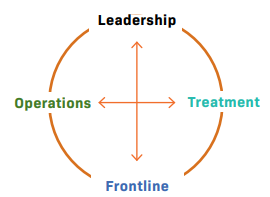
“The CRCA team makes no assumptions,” Green comments. “It compiles facts and capitalizes on opportunities, even when challenges abound. For instance, creating a culture of safety in correctional facilities that are understaffed can be difficult, which makes training on effective communication and collaboration even more critical. The ACA has long recognized that duty is owed by all: frontline, leadership, operations, and treatment. It is only logical that assessment takes that same 360-degree approach.”
Through this comprehensive approach, the ACA endeavors to support correctional facilities in creating environments and programs that keep people alive, foster recovery, and support an optimal workplace for correctional staff.